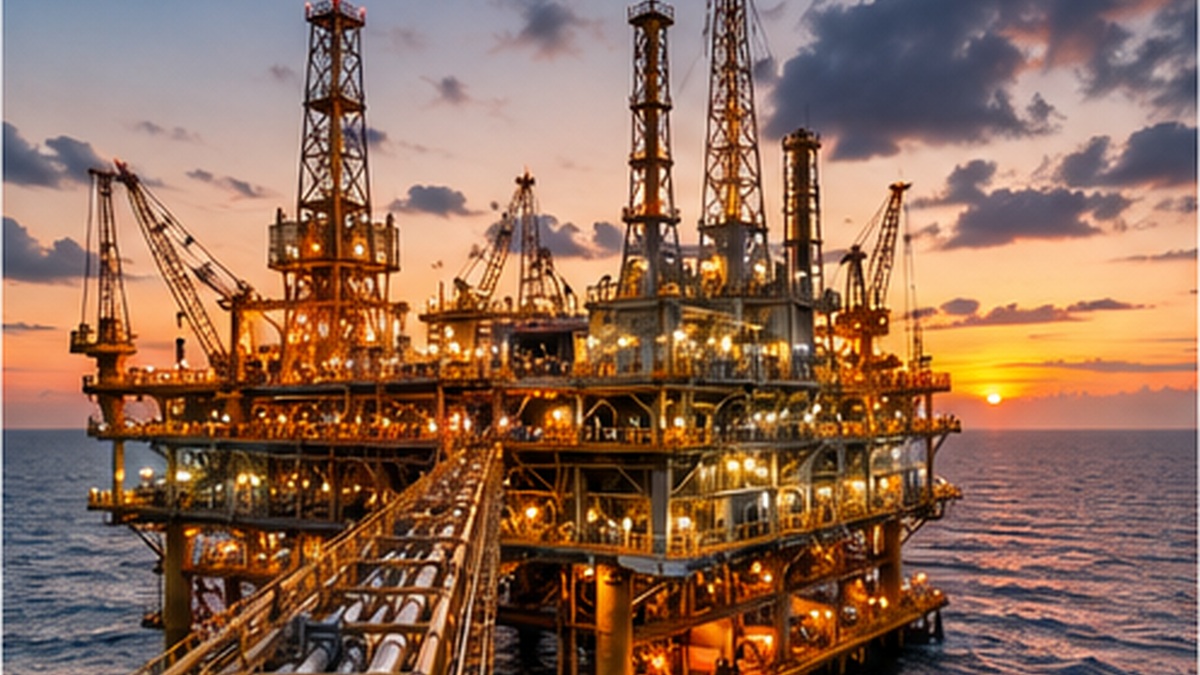
Hygienic Tubing Requirements in Pharmaceutical Plants
Start with the Operating Environment
The first step is to understand where and how the pipe will be used. Indoor installations, marine environments, chemical plants, pharmaceutical facilities and high-temperature systems all place different demands on stainless steel.
Moisture, chlorides, aggressive chemicals and repeated temperature changes can accelerate corrosion. The selected grade must provide sufficient resistance for the actual service conditions rather than only meeting the minimum mechanical requirement.
Key consideration: Always evaluate corrosion resistance, pressure, temperature, cleanliness and fabrication requirements together.
Common Stainless Steel Grades
304 / 304L
A widely used and economical option for general industrial, food-processing and architectural applications.
316 / 316L
Provides better resistance to chlorides and chemicals, making it suitable for marine, pharmaceutical and process systems.
Duplex
Combines high strength with improved resistance to stress-corrosion cracking for demanding chemical, offshore and oil-and-gas applications.
Special Alloys
Used where severe corrosion, extreme temperatures or highly aggressive media require performance beyond standard stainless-steel grades.
Check Pressure and Temperature Requirements
Pipe wall thickness, outside diameter and material strength must be selected according to design pressure and operating temperature. Elevated temperatures can reduce allowable stress, while cyclic pressure may require additional fatigue consideration.
Project specifications should be reviewed alongside relevant ASTM, ASME or customer-specific standards. This ensures that the selected grade, dimensions and testing requirements work as one complete system.
Consider Fabrication and Welding
The chosen material should be compatible with the required fabrication process. Bending, flaring, machining and welding can influence the final performance of the pipe. Low-carbon grades such as 304L and 316L are often preferred when welding is involved because they reduce the risk of sensitisation.
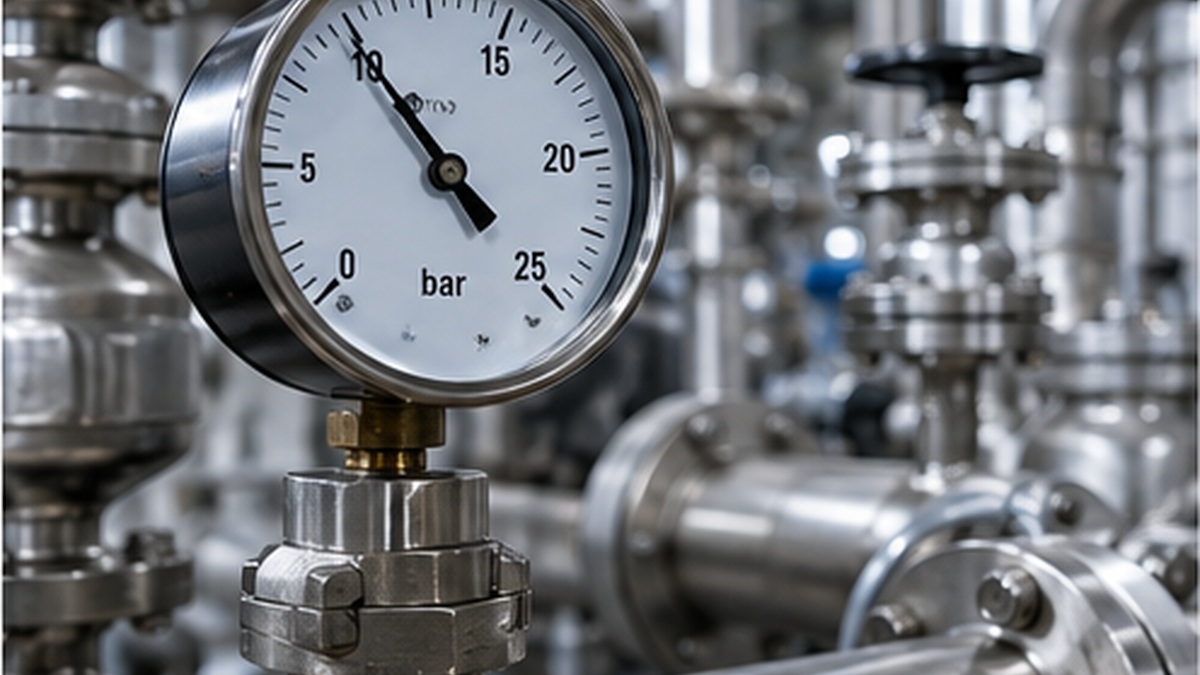
Material selection should be supported by dimensional inspection, pressure testing and complete traceability.
Verify Testing and Documentation
Reliable pipe selection is not limited to the material name. Mill test certificates, chemical composition, mechanical properties, dimensional inspection and required non-destructive testing should all be verified.
For critical applications, confirm heat-number traceability and project documentation before installation. This provides confidence that the delivered pipe matches the specified grade and standard.
Final Selection Checklist
- Identify the process fluid and surrounding environment.
- Confirm corrosion, temperature and pressure requirements.
- Review fabrication, welding and surface-finish requirements.
- Select the relevant ASTM, ASME or customer specification.
- Verify test certificates, traceability and inspection requirements.
Conclusion
The best stainless-steel pipe grade is the one that balances performance, compliance, fabrication and lifecycle cost. Consulting an experienced manufacturer during the selection stage helps avoid premature failure and unnecessary project expense.